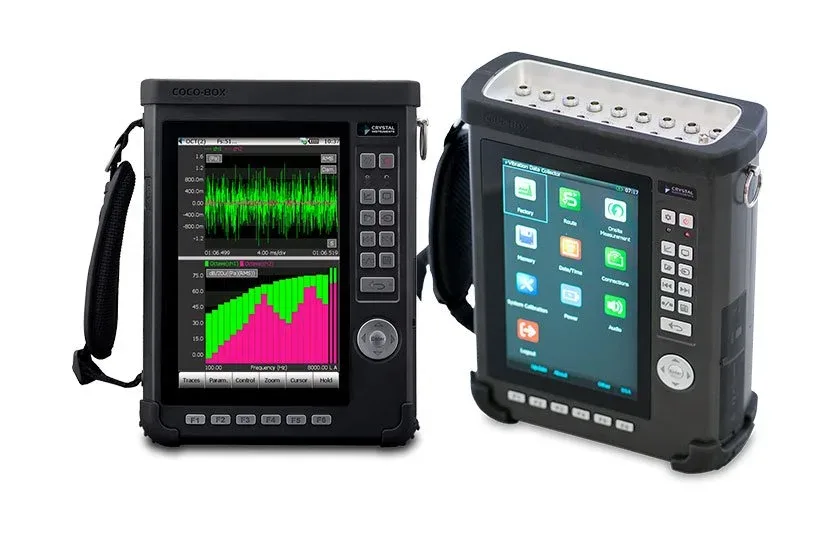


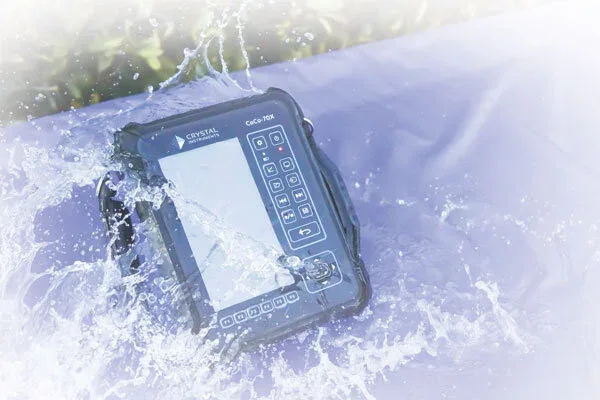
Crystal Instruments CoCo-70X Handheld Vibration Analyzer
- Dynamic range
- 150 dBFS
- Input range
- ±20 V
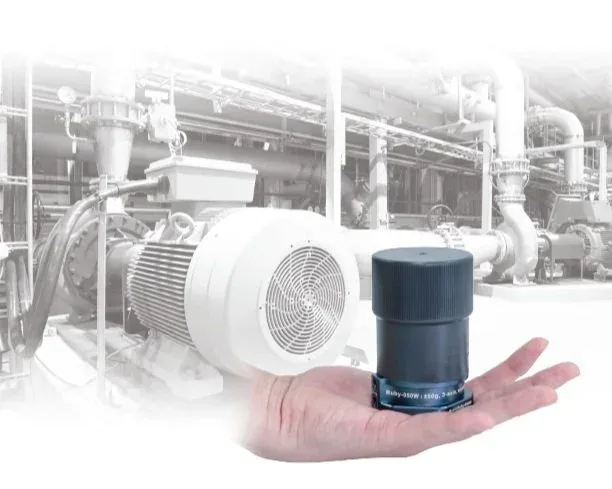
Battery-powered 3-axis wireless vibration sensor reaching 6.5 kHz with a noise floor below 100 µg/√Hz and about two years on one D-cell battery.
Made by Crystal Instruments Corporation. Supplied and supported in China by WTC (West Technology Corporation). · Manufacturer page ↗
Ruby is a battery-powered, high-precision, low-noise ultra-compact wireless vibration sensor built for machine condition monitoring. It measures acceleration on mechanical structures and packs a 3-axis sensing element, an ARM processor, a 24-bit ADC, flash storage and a battery into one sealed node. Its interface adds an RF transceiver supporting the ISA-100.11a protocol, Bluetooth and USB. The design goal is lab-grade fidelity at a wireless node: three-axis accuracy rivals conventional charge or piezoelectric vibration sensors, the frequency range extends to 6.5 kHz with tolerance within +/-1.0 dB (better than +/-1 dB in Z, better than +/-2 dB in X and Y), and the noise floor stays below 100 ug/sqrt(Hz). Networking relies on an ISA-100.11a mesh in which small nodes, called motes, serve as both sensors and data relays, forming a self-organizing multi-hop network that transfers data reliably even in harsh industrial environments. A typical factory can host hundreds of sensors, with multiple gateways placed to cover them all; to limit EMI, sensors can be awakened in batches and scheduled into different transmission slots. In deep sleep the current draw is only tens of microamps, so with independently scheduled measurement and transmission (for example, weekly measurement, monthly upload) a standard D-cell lasts about two years. The onboard processor performs digital filtering, triggering, windowing, FFT, auto-power spectrum, averaging and demodulation spectral analysis, saving spectra alongside recorded time waveforms to flash. The ADC samples up to 16 kHz for a clean spectrum to 6.5 kHz, records up to 62 million data points, and supports FFT sizes to 4096. Scheduling is handled by PC-based RCM software, while VDS software applies AI and a rule-based expert system for diagnostics.
| Sample rate | 16 kHz |
|---|
Full datasheet on request.
| Model | Input channels | Sample rate | ADC resolution | Dynamic range |
|---|---|---|---|---|
| RubyCurrent | — | 16 kHz | — | — |
| CoCo-70X | — | — | — | 150 dBFS |
| CoCo-80X / 90X | — | — | — | 150 dBFS(100 Hz–20 kHz) |
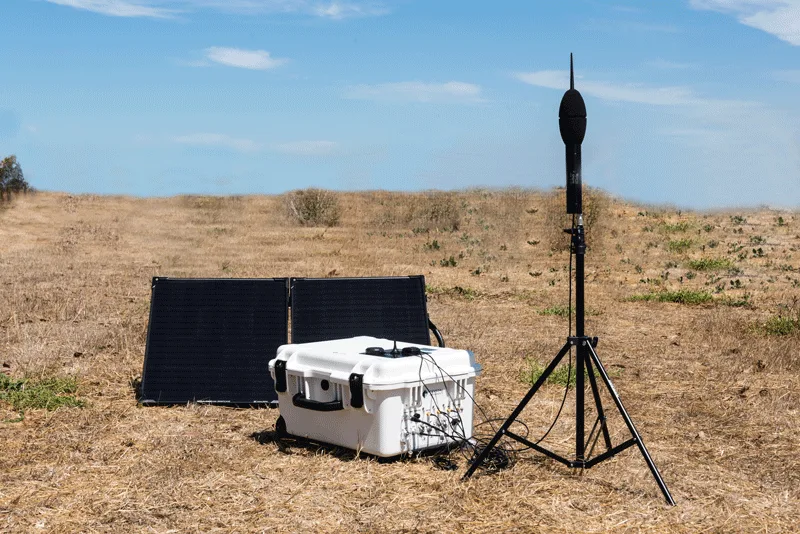
| GRS (Ground Recorder System) | 4 | — | — | — |
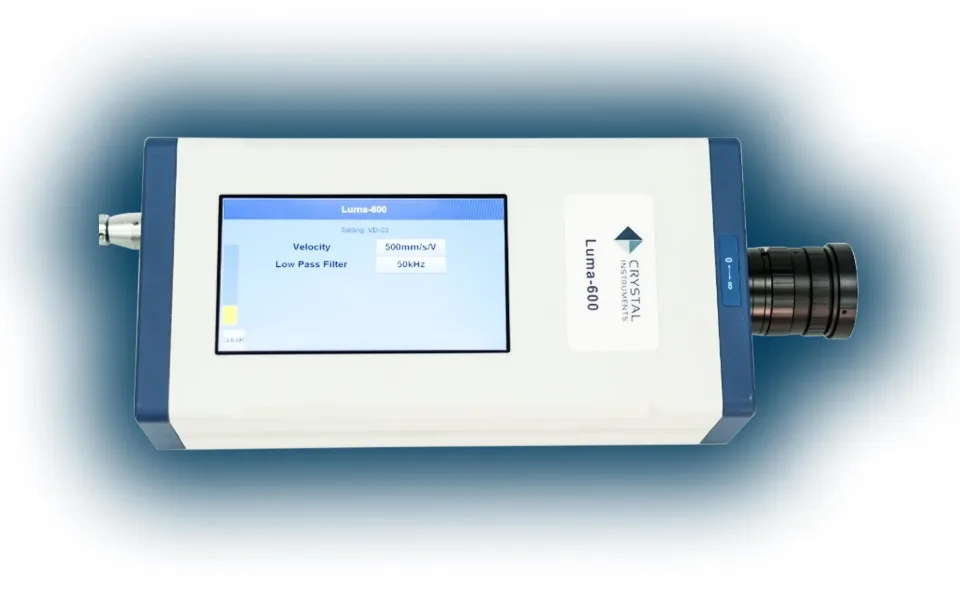
| Luma-600 | — | — | — | — |
| Spider-20 | 4 | — | — | — |
Scroll sideways for all columns
Tell us the test object and the standard you must meet. An engineer replies within one business day.
Send us the test object, the standard and your lab conditions. You get a configuration list within one business day.