

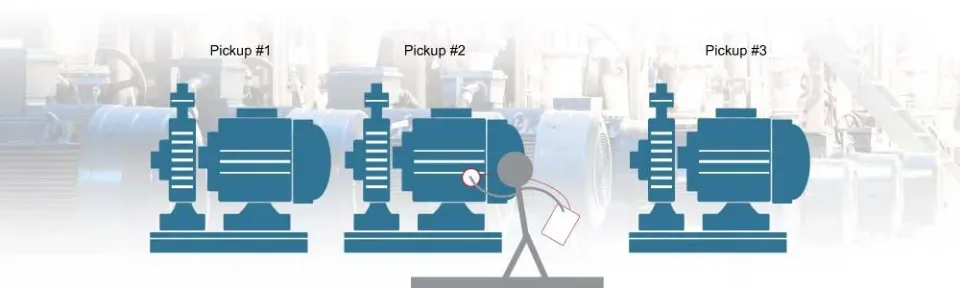
Crystal Instruments Route Based Vibration Data Collector
Route-based vibration collection with the CoCo handheld analyzer and EDM softwa…
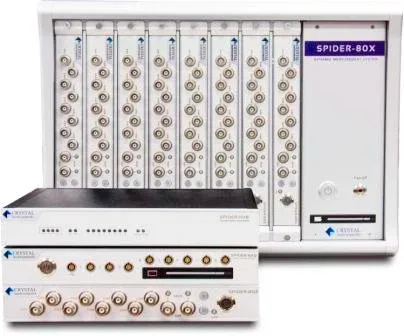
Replace bulky, fragile PC-based systems with Ethernet-integrated CoCo or modular Spider-80X front-ends to acquire sound and vibration remotely and email alerts on predefined criteria.
Made by Crystal Instruments Corporation. Supplied and supported in China by WTC (West Technology Corporation). · Manufacturer page ↗
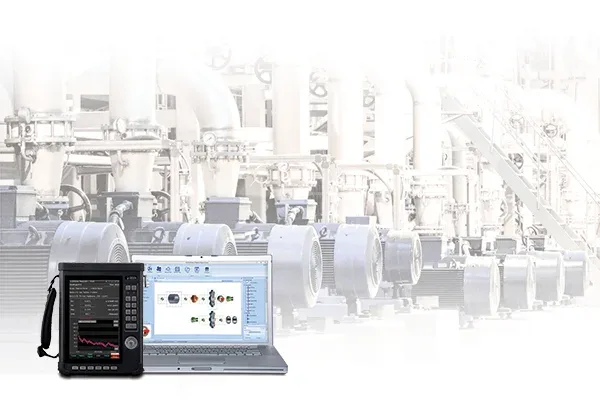
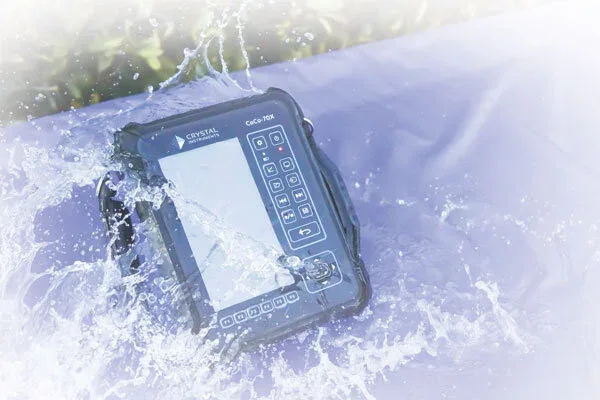
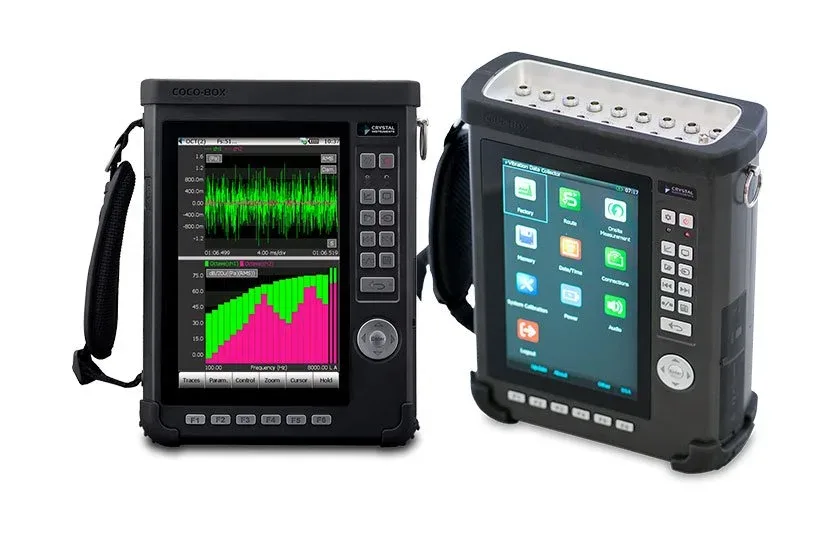
Traditional remote monitoring solutions are built around PC architecture with add-on acquisition cards, which brings well-known drawbacks: they are expensive and require many components to assemble, ordinary PCs are not rugged and tend to fail in hot or humid outdoor environments, and they consume a great deal of power. Crystal Instruments addresses this with the CoCo, an Ethernet-based integrated solution for sound and vibration remote monitoring. It is small, lightweight, designed for industrial use, more reliable, and consumes only a fraction of the power of a PC-based instrument, making it suitable for long-term deployment at remote, unattended sites.
Remotely control and monitor the CoCo through the Internet or over long-distance wireless communication. The CoCo monitors noise and vibration and stores data at the remote site; signals are transferred over the Internet, data can be viewed remotely with EDM software or on the web, and emails can be sent automatically based on predefined criteria.
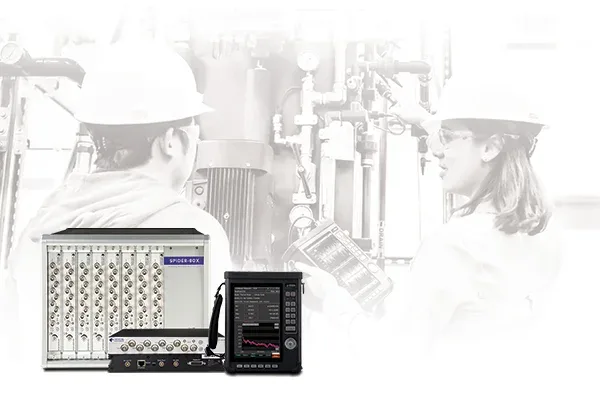
For larger channel counts, the Spider-80X extends the same approach. Whether the task is structural testing, vibration monitoring in a plant, noise monitoring at an airport, or watching wind turbine performance a thousand miles from the nearest Internet connection, the Spider-80X covers it. The Spider series was the first dynamic signal analysis system that is modular at the user level rather than only at the manufacturer level. Modules are fully user-configurable: two Spider-80X modules can run as two separate 8-channel systems or be combined into one 16-channel system. Users on a limited budget can start with a single 8-channel system and later add modules to grow the channel count.
| Model | Input channels | Sample rate | Dynamic range | Demod bandwidth | Power | Interfaces |
|---|---|---|---|---|---|---|
| Spider-80X MCM | — | — | 160 dBFS | — | — | — |
| VDS | — | — | — | — | — | — |
Scroll sideways for all columns
Tell us the test object and the standard you must meet. An engineer replies within one business day.
Route-based vibration collection with the CoCo handheld analyzer and EDM softwa…
Run-up and coast-down waterfalls with order tracking reveal transient instabili…
Two strategic paths in one portfolio: permanently installed continuous monitori…
A complete hardware and software line-up for machine condition monitoring, from…
Send us the test object, the standard and your lab conditions. You get a configuration list within one business day.