

Crystal Instruments Military Standard (MIL-STD) Environmental Testing Service
MIL-STD-810 and MIL-STD-202 testing services covering temperature, humidity, sh…
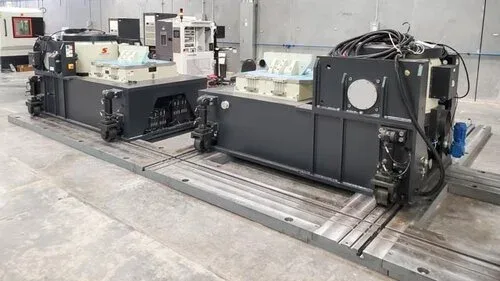
Fatigue, push-pull-press and open-close testing combine vibration, shock and strain measurement to emulate a product's full service life under controlled conditions.
Made by Crystal Instruments Corporation. Supplied and supported in China by WTC (West Technology Corporation). · Manufacturer page ↗
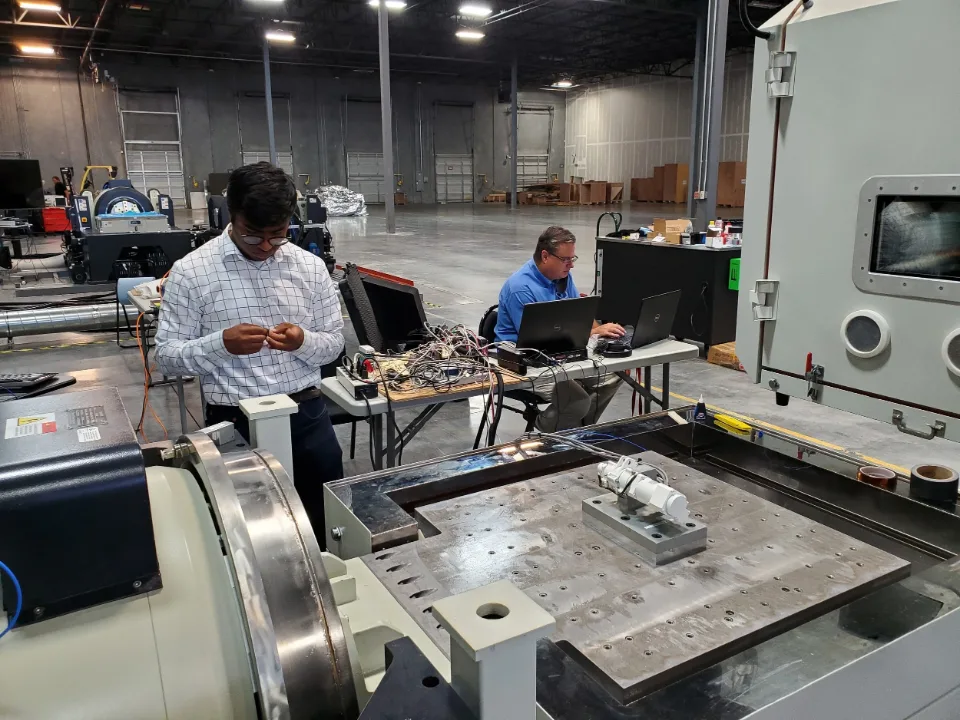
Mechanical endurance testing calculates how a product reacts to extreme stress under controlled conditions, with the core goal of emulating the repeated damage a product accumulates across its whole service life. Electronics, automotive parts and other heavily used items endure extreme daily stress levels, and the lab reproduces this repeated loading through a combination of vibration testing, shock stress testing and strain measurement; while conditions typical of daily use are simulated, engineers observe power consumption and performance quality to judge mechanical longevity.
Testing begins when specimens arrive at the CI mechanical endurance lab, where engineers run a variety of quality-control tests using gauges and vibration testing equipment. Different tests evaluate different aspects of a product's strength and endurance, and each program can be customized to meet individual industry standards. Testing lasts from days to weeks; after analysis the results are shared with the manufacturer, and testing engineers and clients work together to resolve any outstanding issues before the product is released.
Three test types are common. Fatigue testing determines the localized, progressive structural damage caused when a material experiences cyclic loading, measuring resistance to cyclic stress across several stress levels. Push-pull-press testing, also known as tensile, compression and impact testing, measures a material's resistance to heavy impact from tension or compression by determining the force required to pull, push or press an object to its breaking point, which sets the maximum tensile stress the material can undergo before failure. Open-close testing targets hinges, doors, windows, flip phones, garage door openers and many other products that need durability over years, using dedicated machinery to quickly simulate years of repeated use.
Targeted failure modes include adhesion and bond strength, flexural strength and fatigue, tensile strength and impact, flexibility, material toughness, functionality, flammability, mechanical wear and circuit shorts, power consumption and performance quality, and overall durability. CI also provides in-house custom fixture design and fabrication, tailoring mounting solutions to each specimen so the specified stress can be applied consistently and repeatably.
Tell us the test object and the standard you must meet. An engineer replies within one business day.
MIL-STD-810 and MIL-STD-202 testing services covering temperature, humidity, sh…
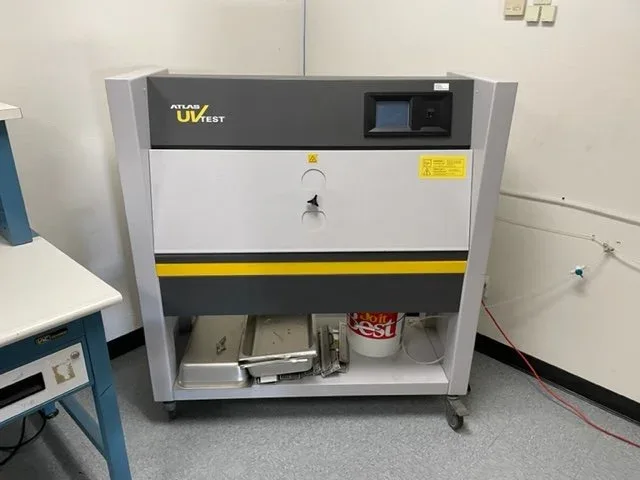
Fluorescent UV lamps (UVA 340, UVB 313, UVA 351) with condensation and spray re…
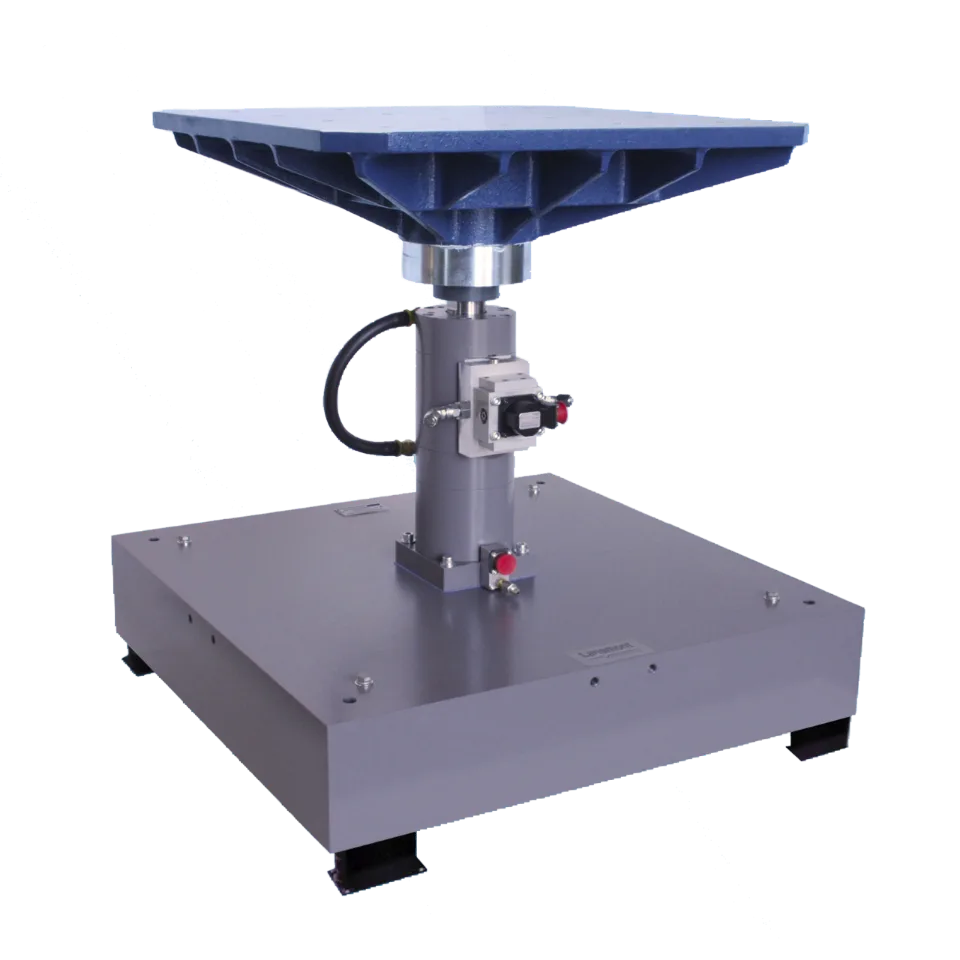
Custom-fabricated vibration test fixtures for electronics and circuit card asse…
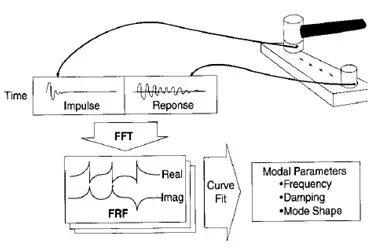
Measuring frequency response functions to identify modal frequencies, damping a…
Send us the test object, the standard and your lab conditions. You get a configuration list within one business day.