

Crystal Instruments MIMO Shaker Systems
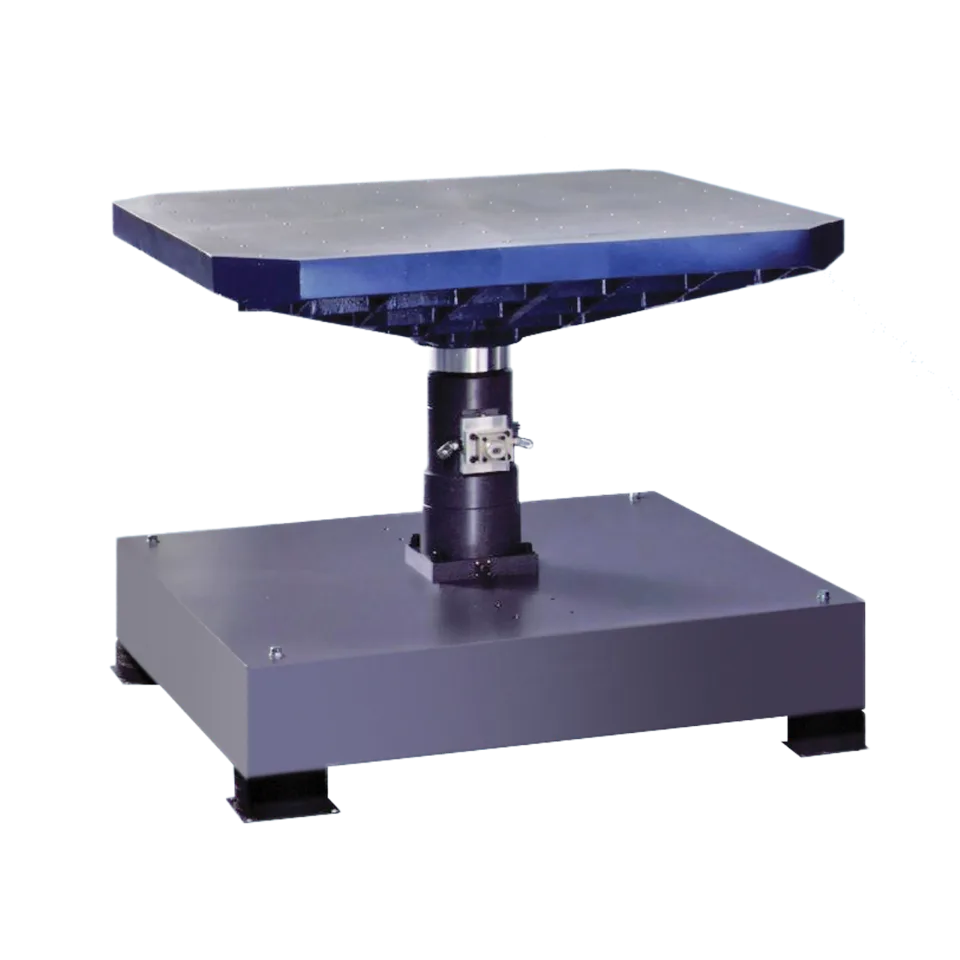
From MESA single-axis multi-exciter arrangements to 6-DOF eight-shaker tables…
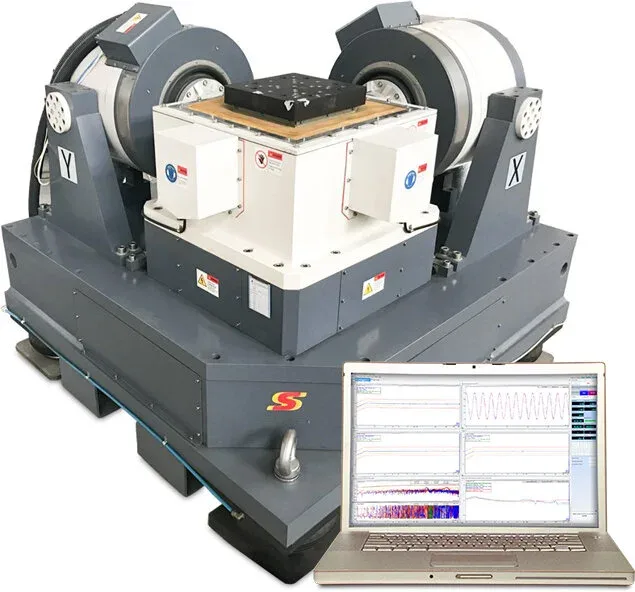
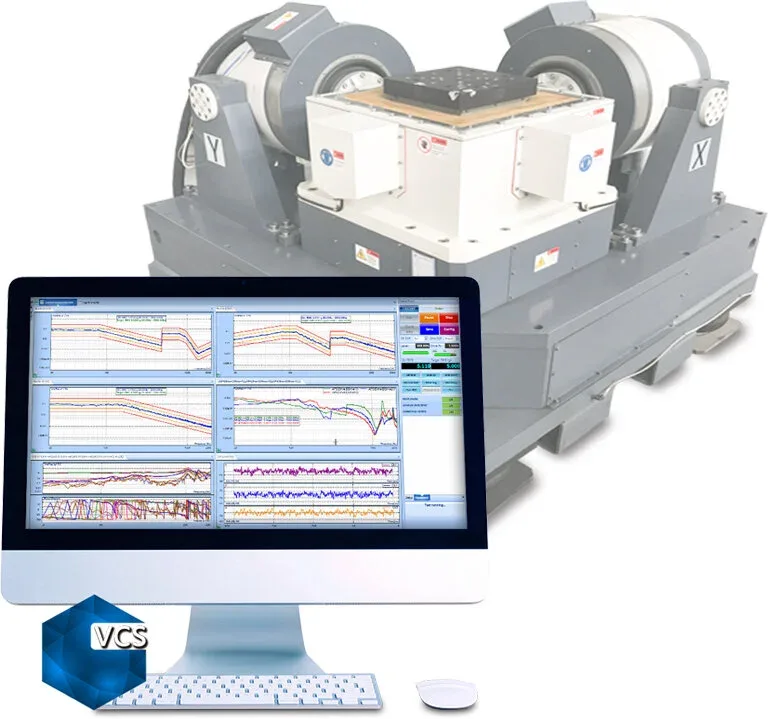
Modular multiple-axis vibration testing that scales to 512 channels, covering the full range of MIMO and MESA control methods.
Made by Crystal Instruments Corporation. Supplied and supported in China by WTC (West Technology Corporation). · Manufacturer page ↗
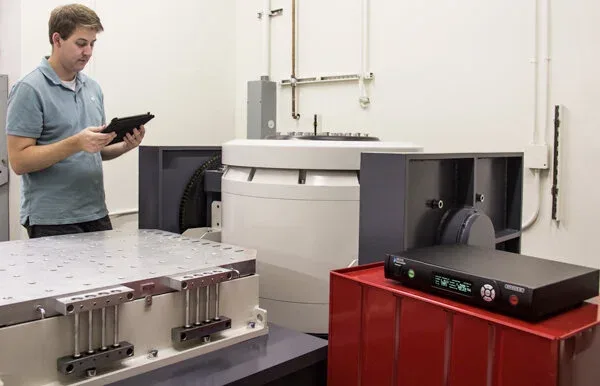
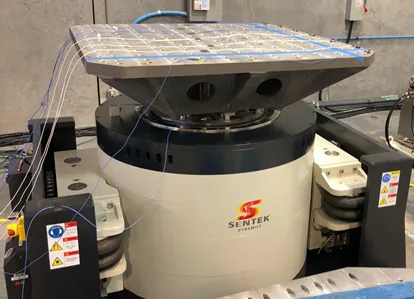
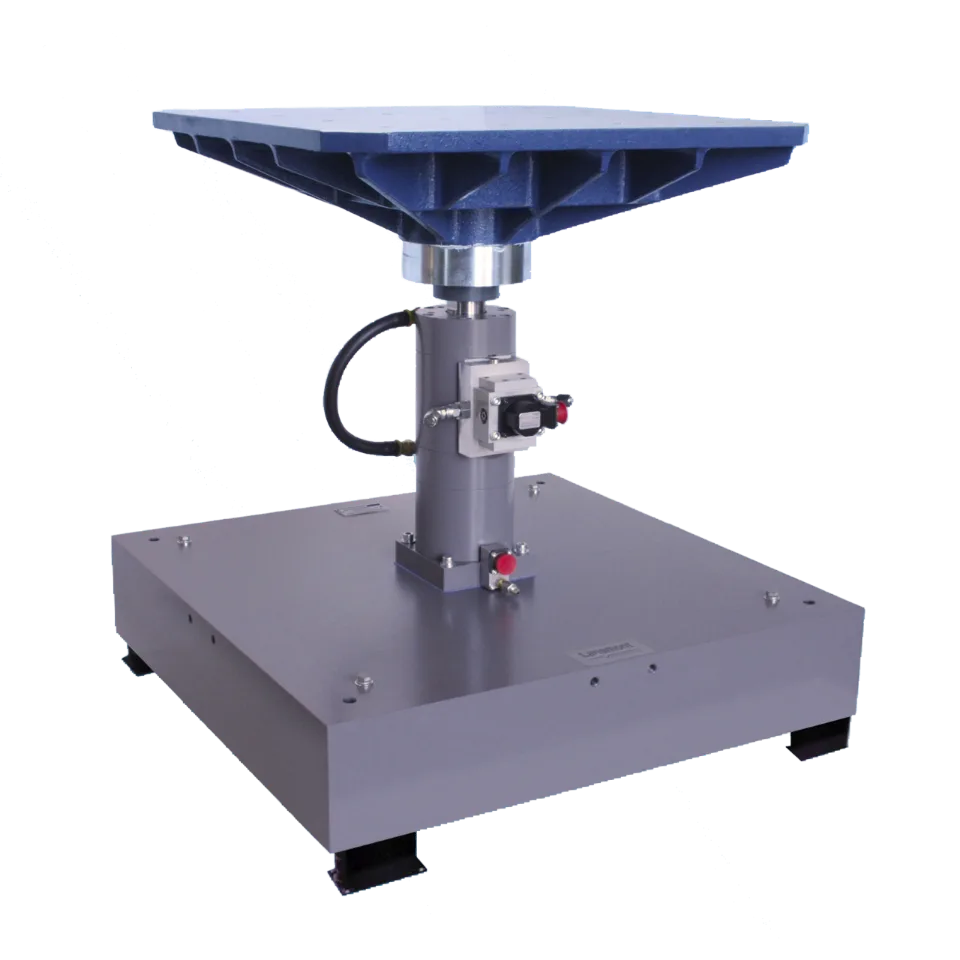
Multiple-axis vibration testing brings MIMO and MESA control into one modular platform that scales up to 512 channels. MIMO (Multiple-Input Multiple-Output) targets coordinated multi-shaker operation, while MESA (Multi-Exciter Single-Axis) targets multiple exciters driving a large or long test article along a single axis.
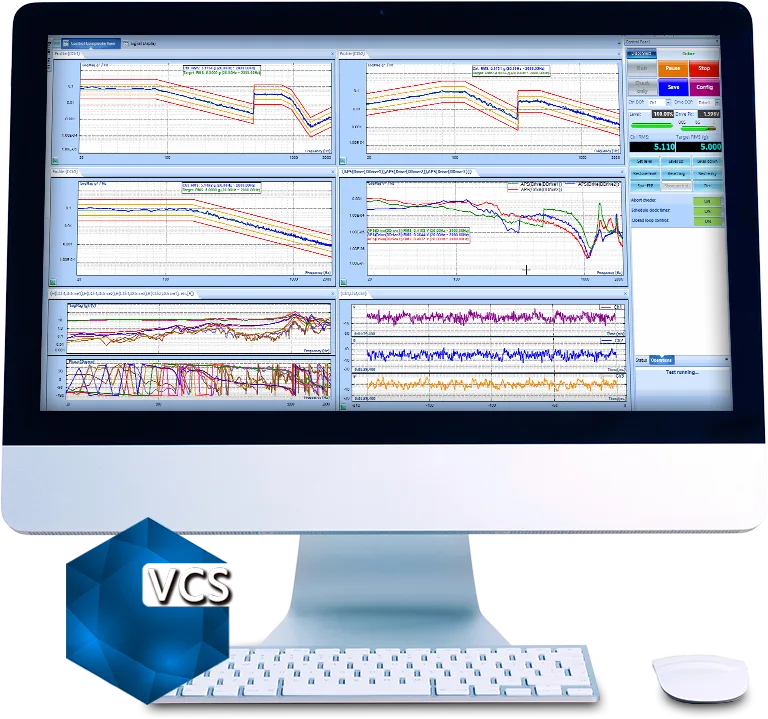
On the MIMO side, MIMO Random control is one of the most common multiple-shaker methods, providing precise real-time control that subjects the device under test to true random noise with a precisely shaped spectrum and Gaussian amplitude statistics; a recording option captures time-stream data at the full sample rate on all input channels. MIMO Sine control is another common method, offering precise real-time control with a control dynamic range up to 100 dB, using linear spectrum profiles of magnitude, or magnitude and phase, assigned to multiple control channels. MIMO Shock control provides precise, real-time, multi-channel control and analysis of classical shock waveforms in the time domain, essentially a time-domain waveform replication process that uses an FFT-based algorithm to correct the test system dynamics.
Further MIMO methods include TTH, where short predefined waveforms are output and a closed-loop algorithm matches the control inputs to the specified shape; MIMO SRS, which drives multiple shakers to meet multiple target Required Response Spectra by synthesizing time waveforms from a user-specified SRS reference profile using wavelets such as sine beats and damped sine; and MIMO TWR, which imports a multi-channel time waveform, pre-processes it (for example bandpass filtering) and selects it as the control profile to reproduce field data in the lab.
On the MESA side, MESA Random provides precise real-time multi-exciter single-channel control and analysis, and after control channels are assigned, the remaining inputs can serve as monitoring and time-data recording channels at full sample rate; MESA Sine works the same way. MESA Sine-on-Random is commonly used with large or long units under test, requiring one control profile and using weighted-average control, with modes that provide identical drives, drives with different phases, or drives with different magnitude and phase. Relevant standards include MIL-STD 810, MIL-STD 202, ISO 8568 and IEC 60068-2-27.
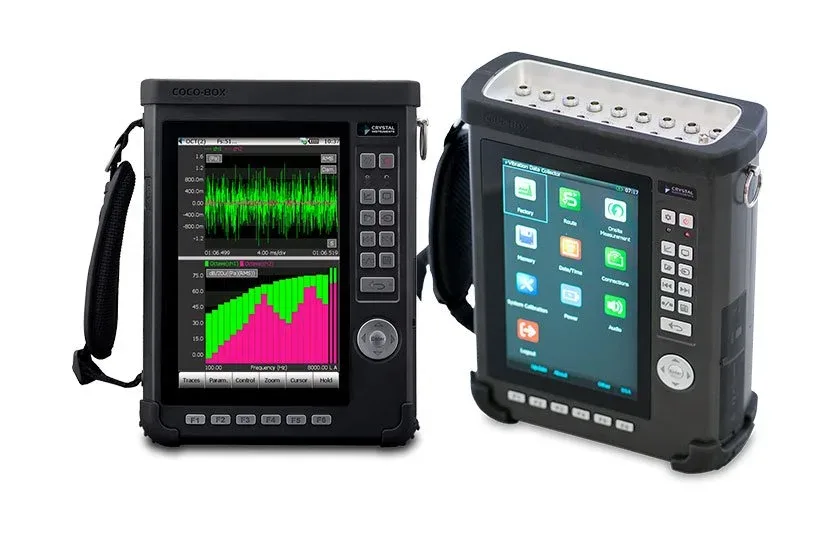
| Model | Input channels | Dynamic range | DAC resolution | Storage |
|---|---|---|---|---|
| Spider-80M | 16 / 24 / 32 / 48 / 56 | 160 dBFS | 24 bit | — |
| Spider-81 / 81B | — | 160 dBFS | 24 bit | 4 GB flash |
| Spider-101i | — | — | — | — |
Scroll sideways for all columns
Tell us the test object and the standard you must meet. An engineer replies within one business day.
From MESA single-axis multi-exciter arrangements to 6-DOF eight-shaker tables…
Full random, sine and shock control for single-axis shakers, with up to 100 dB…
Closed-loop random, sine and shock vibration testing that drives electrodynamic…
One controller synchronizing multiple exciters across six MIMO control types: R…
Send us the test object, the standard and your lab conditions. You get a configuration list within one business day.