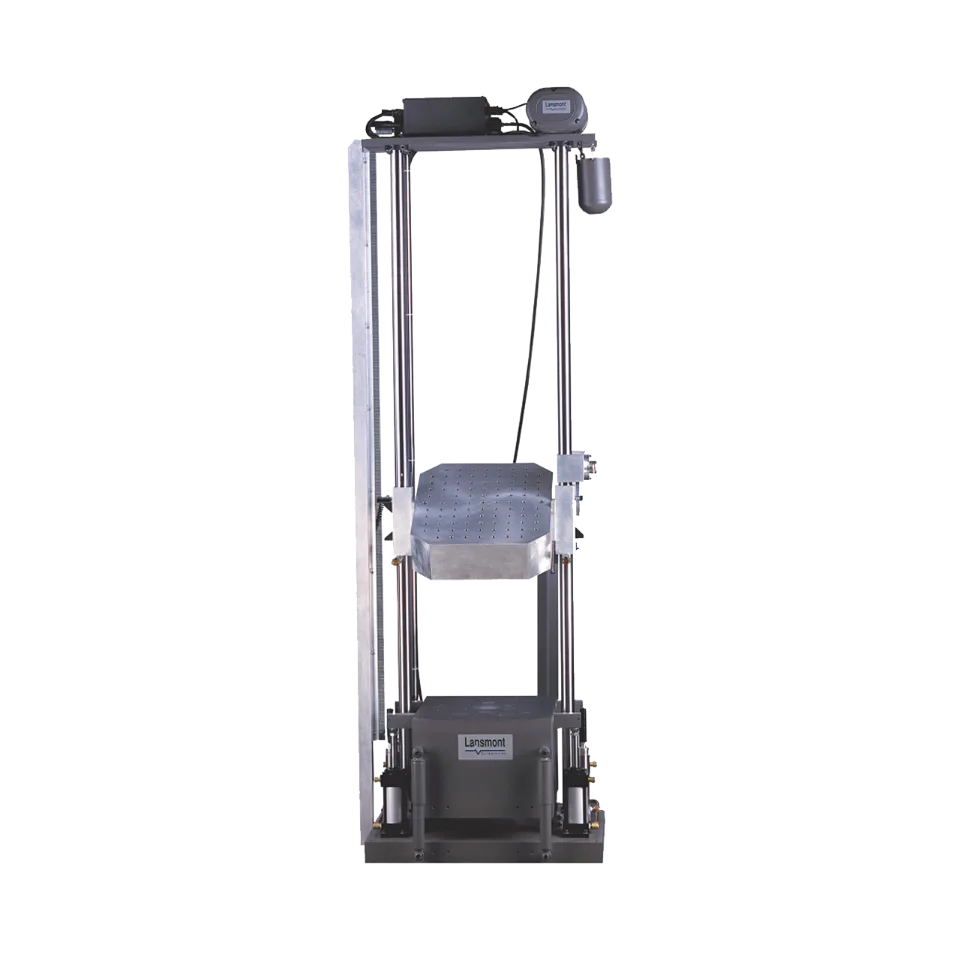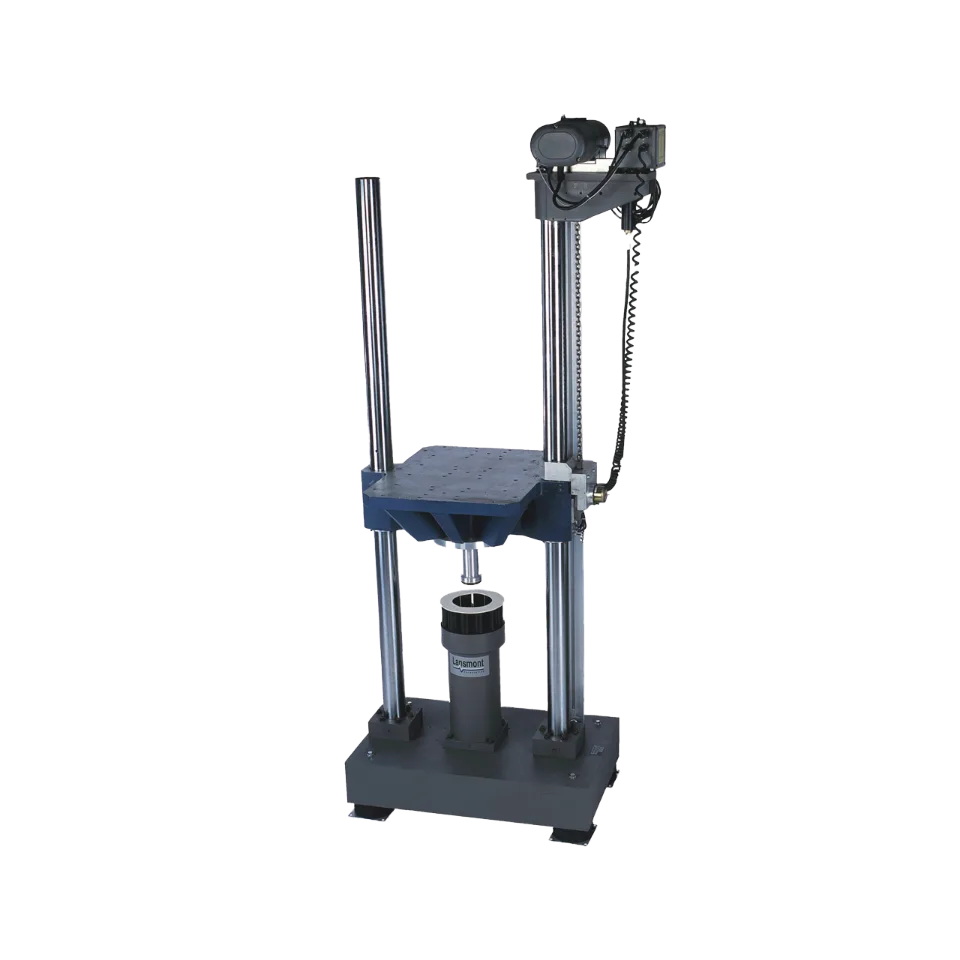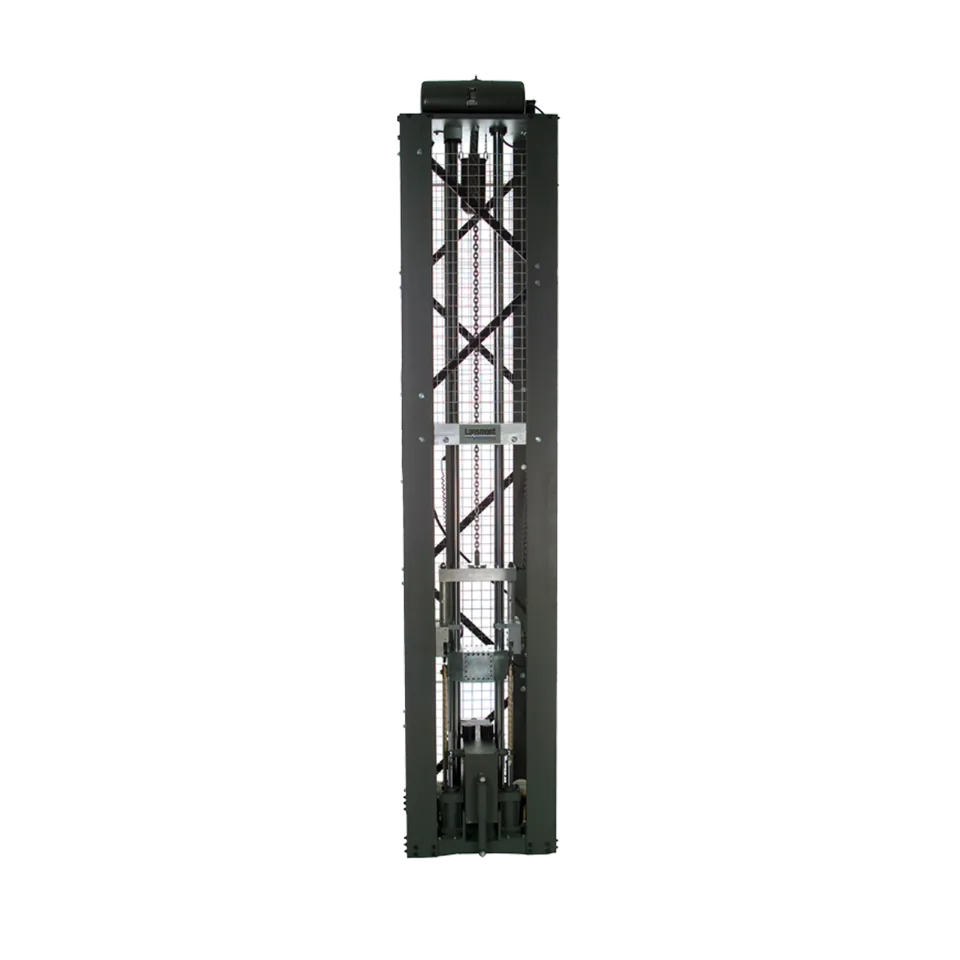


Lansmont P30/45 Performance Shock Test System
- Max velocity change
- 22 – 55 ft/sec(6.7 – 16.8 m/sec)
- Table size
- 40 x 40 cm(15.7 x 15.7 in)
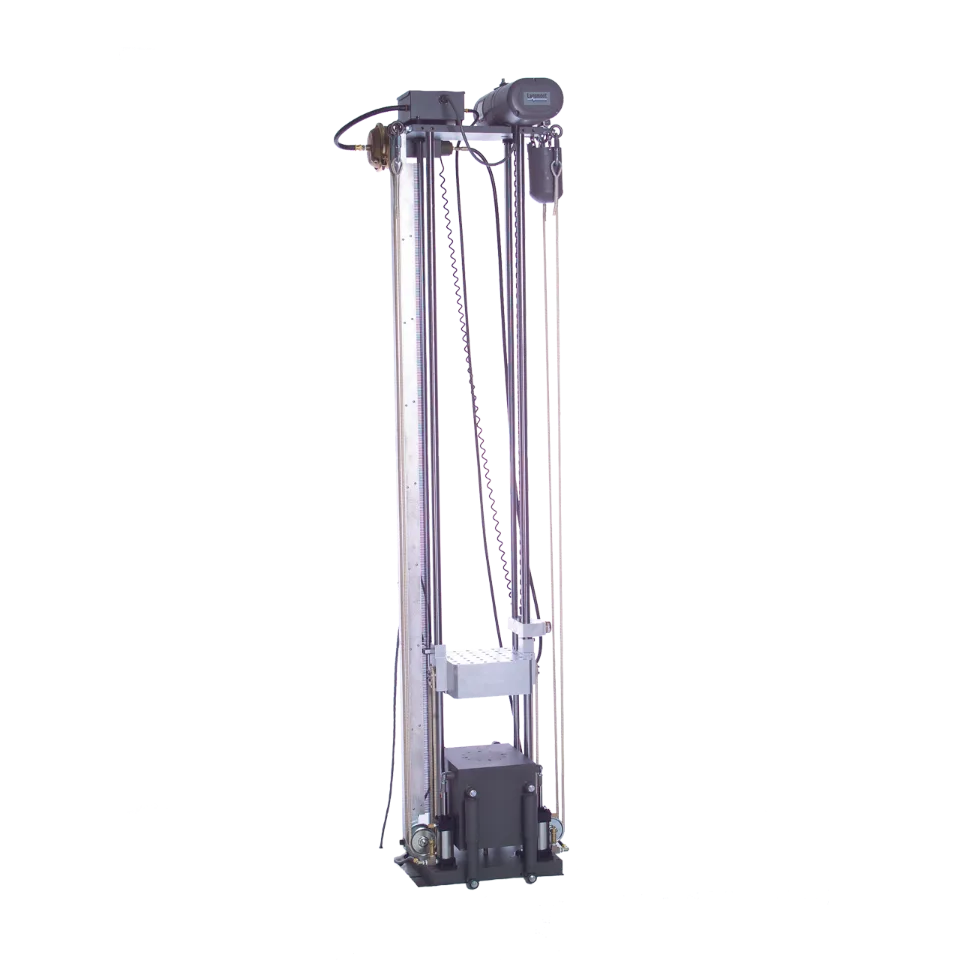
A performance shock system based on the Model 23, with a 23 x 23 cm table, up to 5000 g, 16.8 m/s velocity change and 50 kg payload.
Made by Lansmont Corporation. Supplied and supported in China by WTC (West Technology Corporation). · Manufacturer page ↗
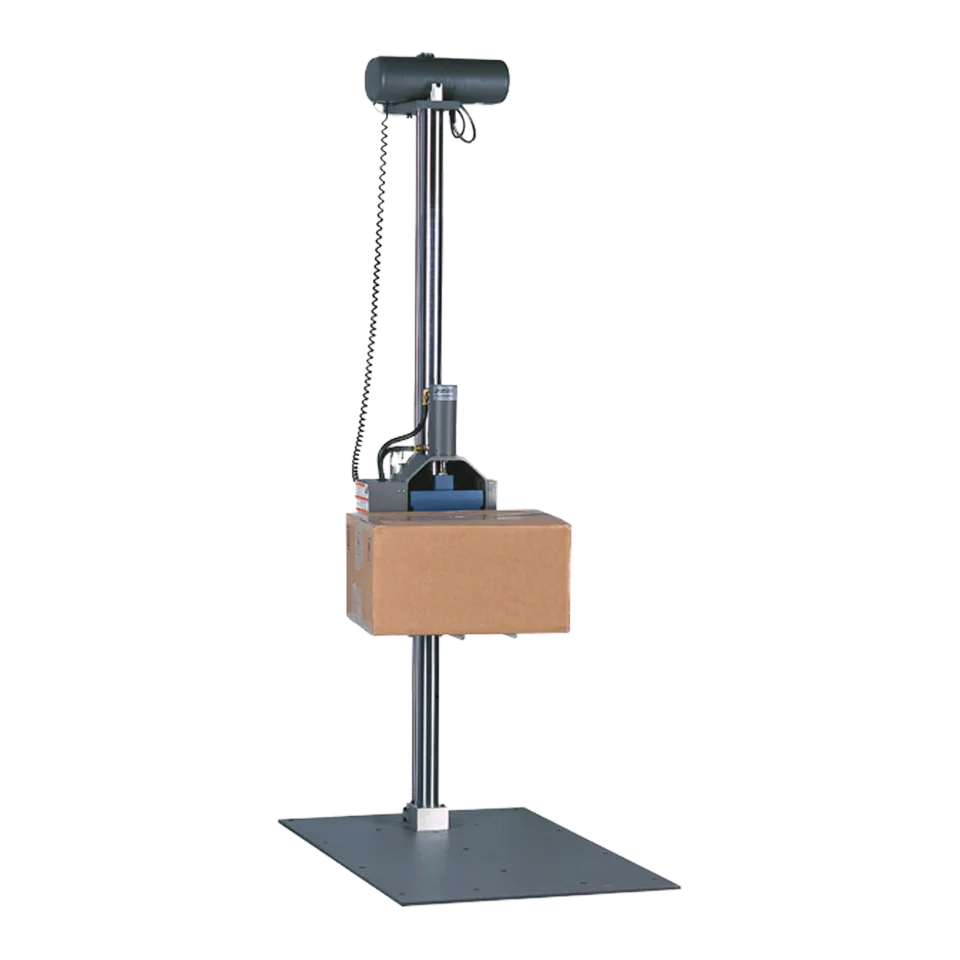
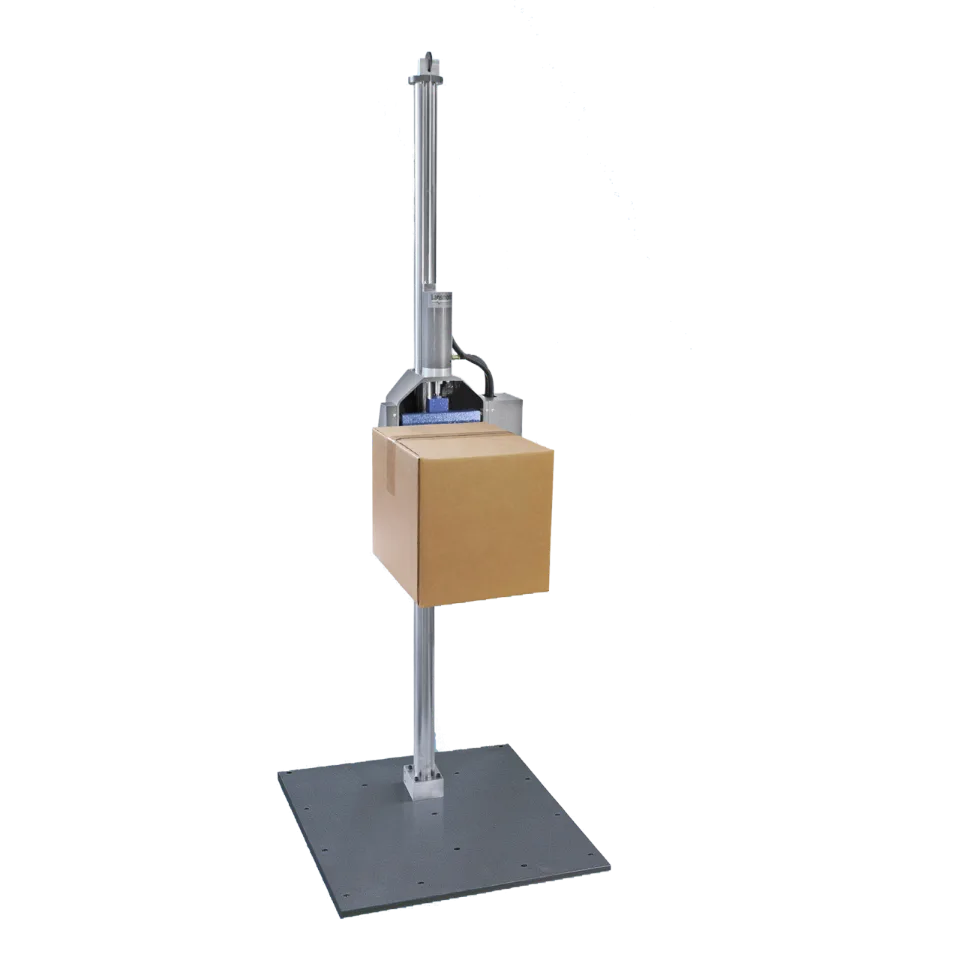
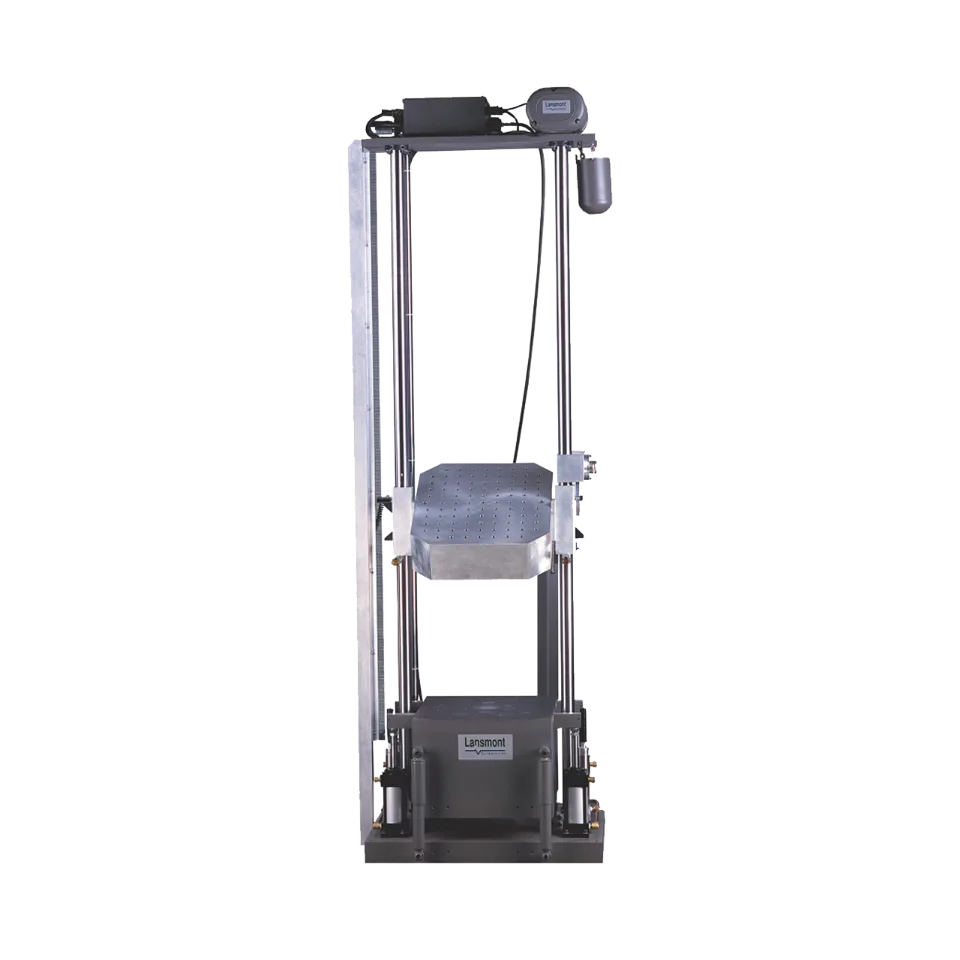
The Lansmont P16/30 is the performance version of the shock test line, built on the well-proven standard Model 23 and strengthened for heavier payloads and higher-energy impacts. It keeps the small-table, high-acceleration character of the base machine while widening the achievable shock energy: maximum velocity change is configurable between 22 and 55 ft/sec (6.7 to 16.8 m/sec), and maximum payload rises to 110 lbs (50 kg), making it better suited than the standard Model 23 to product-level tests that demand greater shock severity.
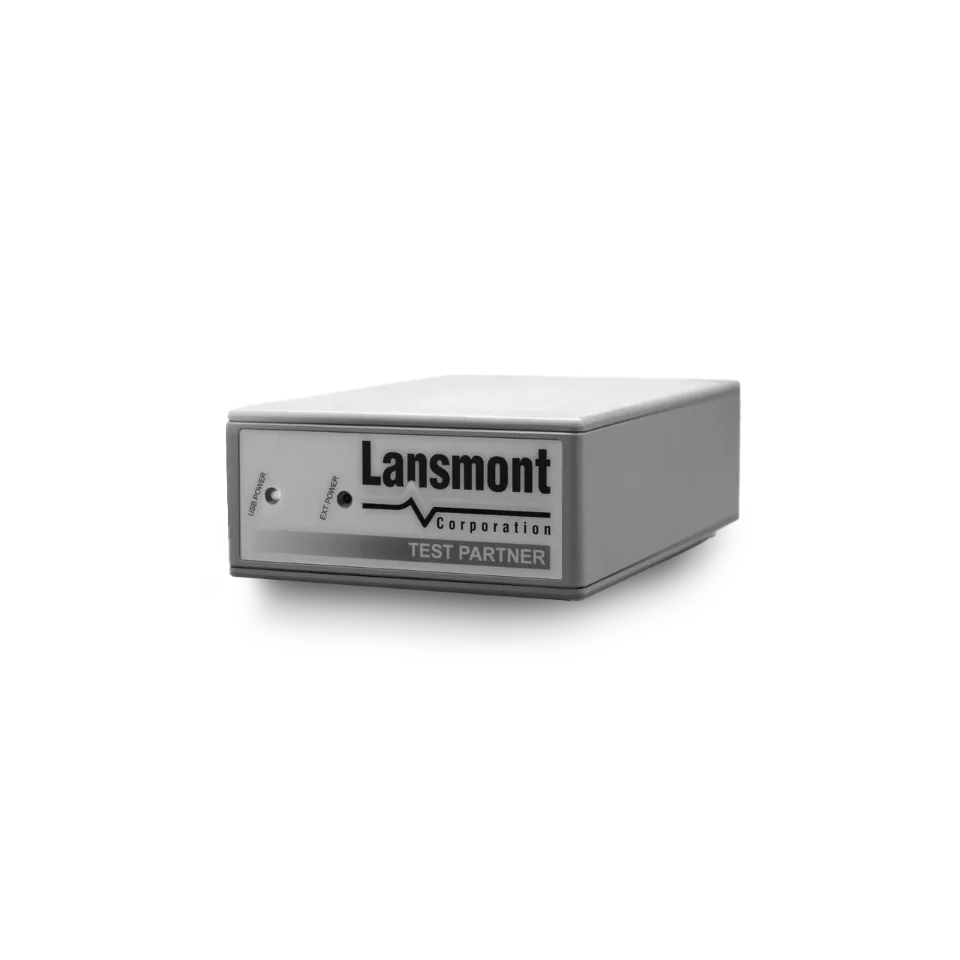
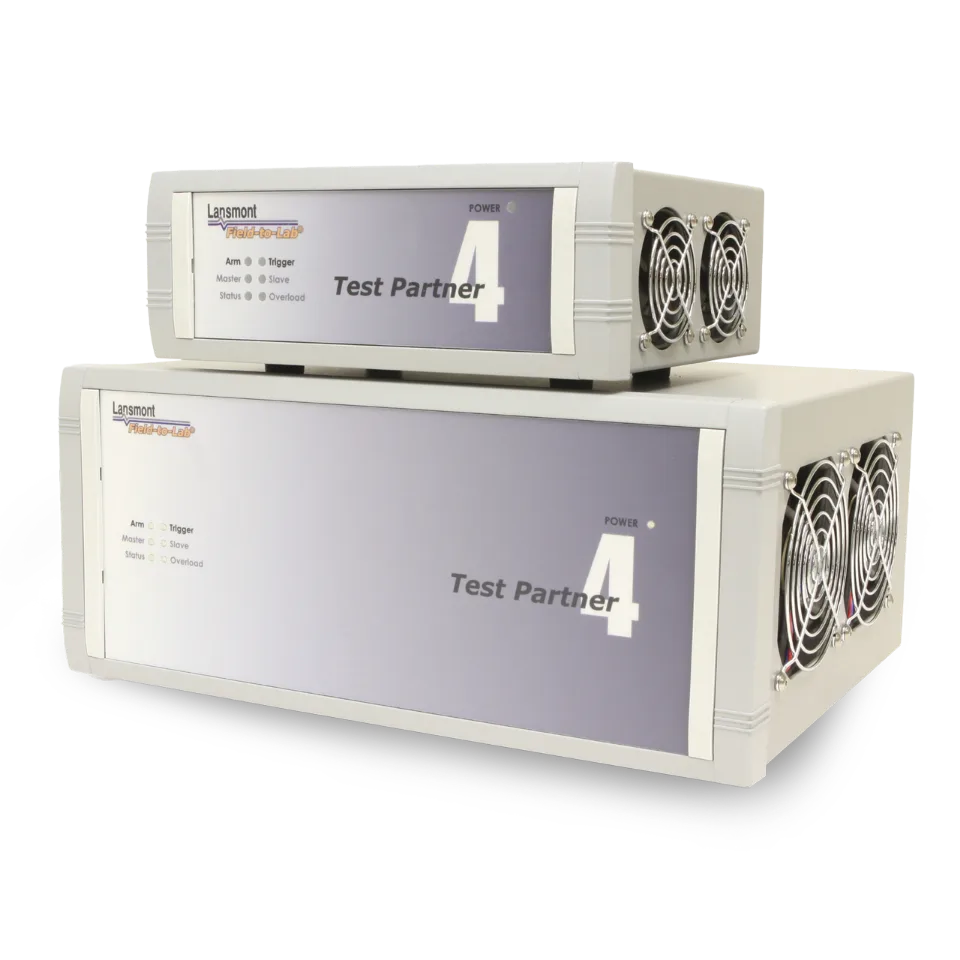
The table measures 9.06 x 9.06 in (23 x 23 cm) and uses a forged aluminum design to produce high-acceleration shock pulses. Maximum acceleration is 5000 g; an optional Acceleration Kit increases velocity change performance, and optional Dual Mass Shock Amplifiers push acceleration beyond 10,000 g. The standard TouchTest Shock (TTS) tabletop controller centralizes test control on an intuitive, safe touch interface and integrates seamlessly with Test Partner data acquisition for coordinated shock control and data collection. An electric hoist lifting and positioning system keeps drop height repeatable, while a floating seismic base limits shock energy transmitted to the floor.
The machine generates damage boundary pulses as standard, and optional shock pulse programmers extend the range of pulse shapes to half-sine, trapezoidal and terminal peak sawtooth, suiting shock tolerance evaluation of electronics, appliances and precision instruments during transport and use. Its place in the Lansmont line: same table as the Model 23 but with higher velocity change and payload, for tests needing more shock energy on moderately sized articles. When a larger table is required, the P30/45 or Model 95/115 is the next step.
| Table size | 23 x 23 cm(9.06 x 9.06 in) |
|---|---|
| Max velocity change | 22 – 55 ft/sec(6.7 – 16.8 m/sec) |
| Max payload | 110 lbs(50 kg) |
| Model | Table size | Peak acceleration | Max velocity change | Max payload |
|---|---|---|---|---|
| P16/30Current | 23 x 23 cm(9.06 x 9.06 in) | — | 22 – 55 ft/sec(6.7 – 16.8 m/sec) | 110 lbs(50 kg) |
| P30/45 | 40 x 40 cm(15.7 x 15.7 in) | — | 22 – 55 ft/sec(6.7 – 16.8 m/sec) | 165 lbs(75 kg) |
| P55 | 55 x 55 cm(21.7 x 21.7 in) | — | 22 – 59 ft/sec(6.7 – 18 m/sec) | 300 lbs(136 kg) |
| P60/122 | 65 x 81 cm(25.6 x 31.9 in) | 1000 g | 20 – 25 ft/sec(6.1 – 7.6 m/sec) | 1500 lbs(680 kg) |
Scroll sideways for all columns
Tell us the test object and the standard you must meet. An engineer replies within one business day.
Up to 2.5 MHz per-channel sampling with 24-bit sigma-delta ADCs, 40 analog or 2…
Send us the test object, the standard and your lab conditions. You get a configuration list within one business day.