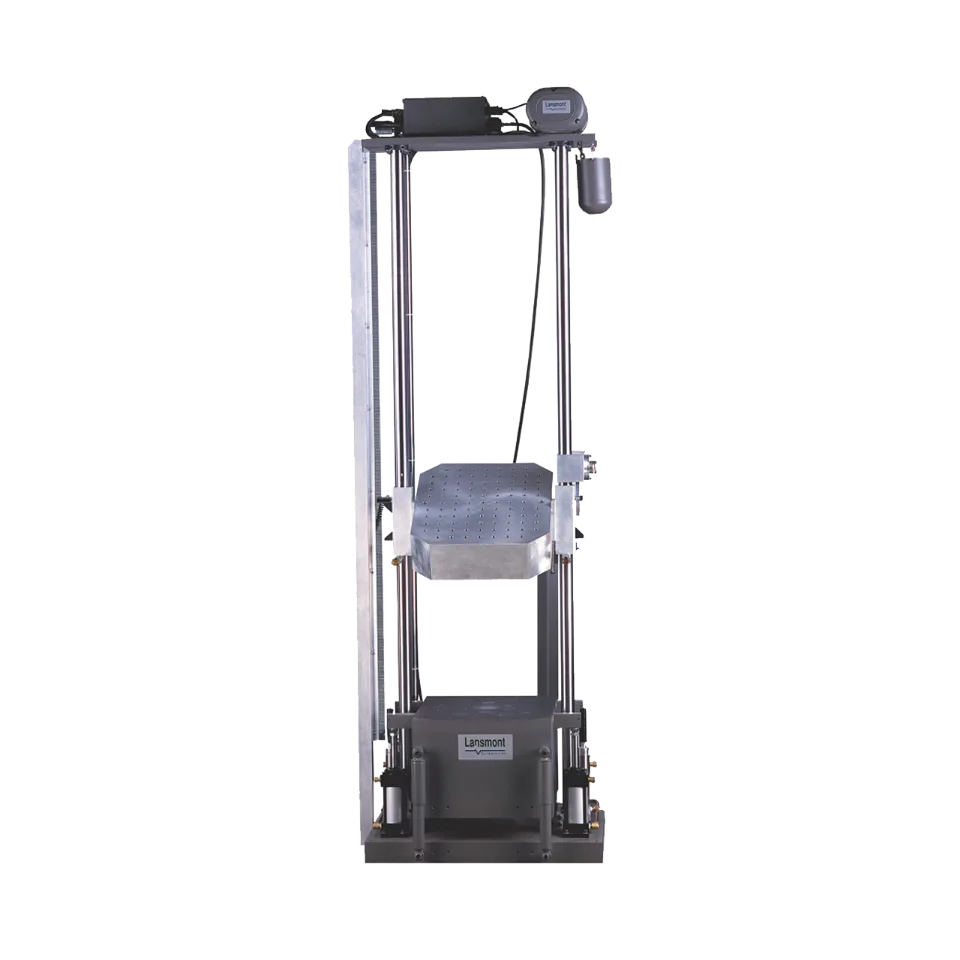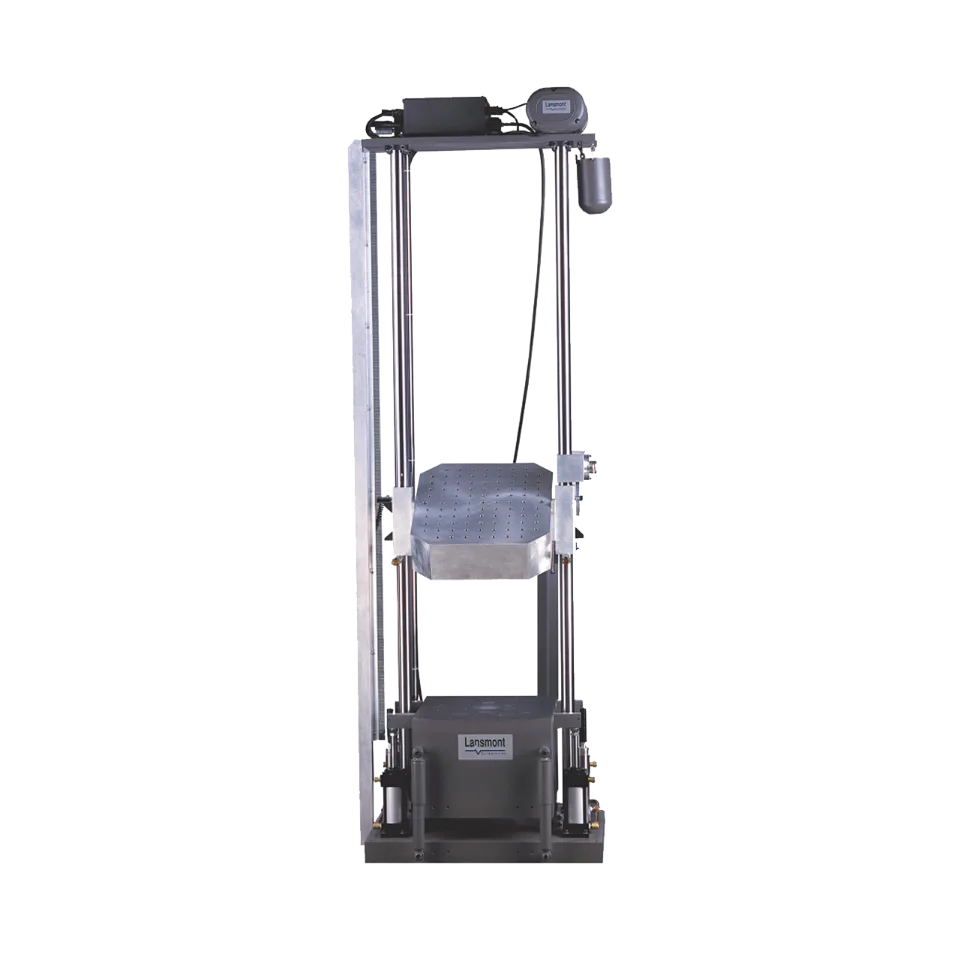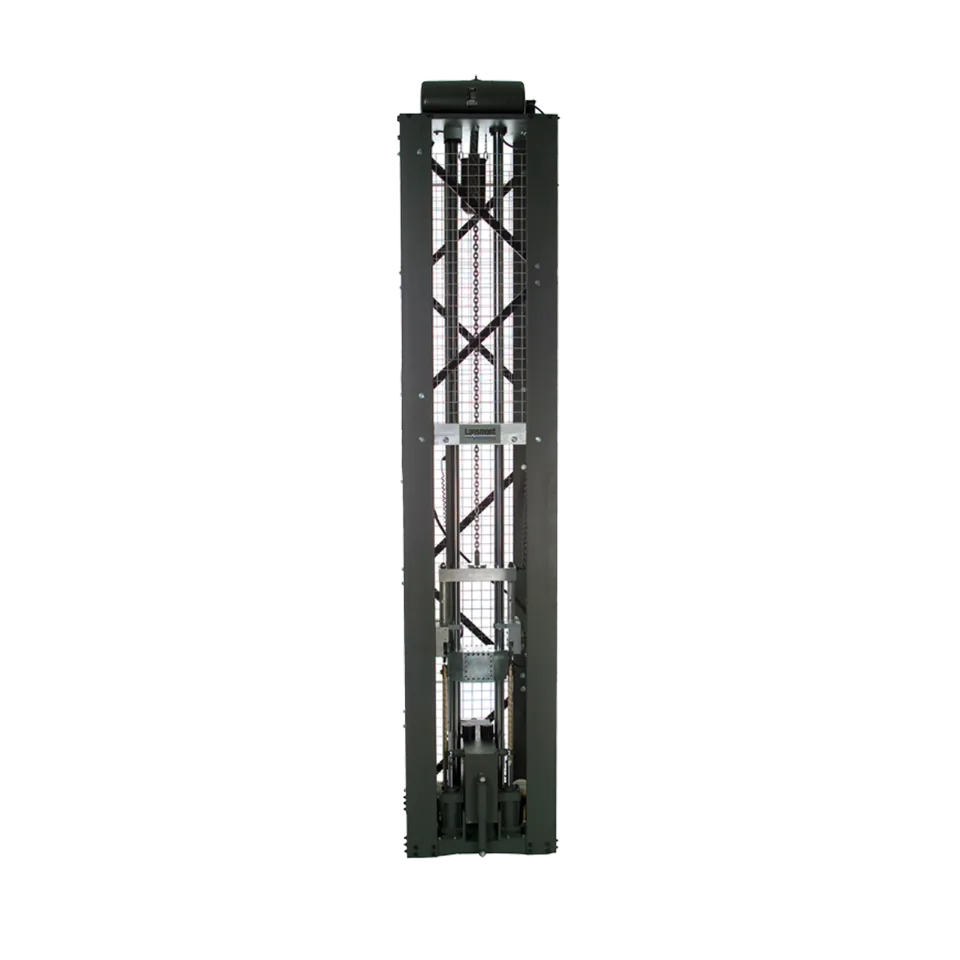


Lansmont P16/30 Performance Shock Test System
- Max velocity change
- 22 – 55 ft/sec(6.7 – 16.8 m/sec)
- Table size
- 23 x 23 cm(9.06 x 9.06 in)
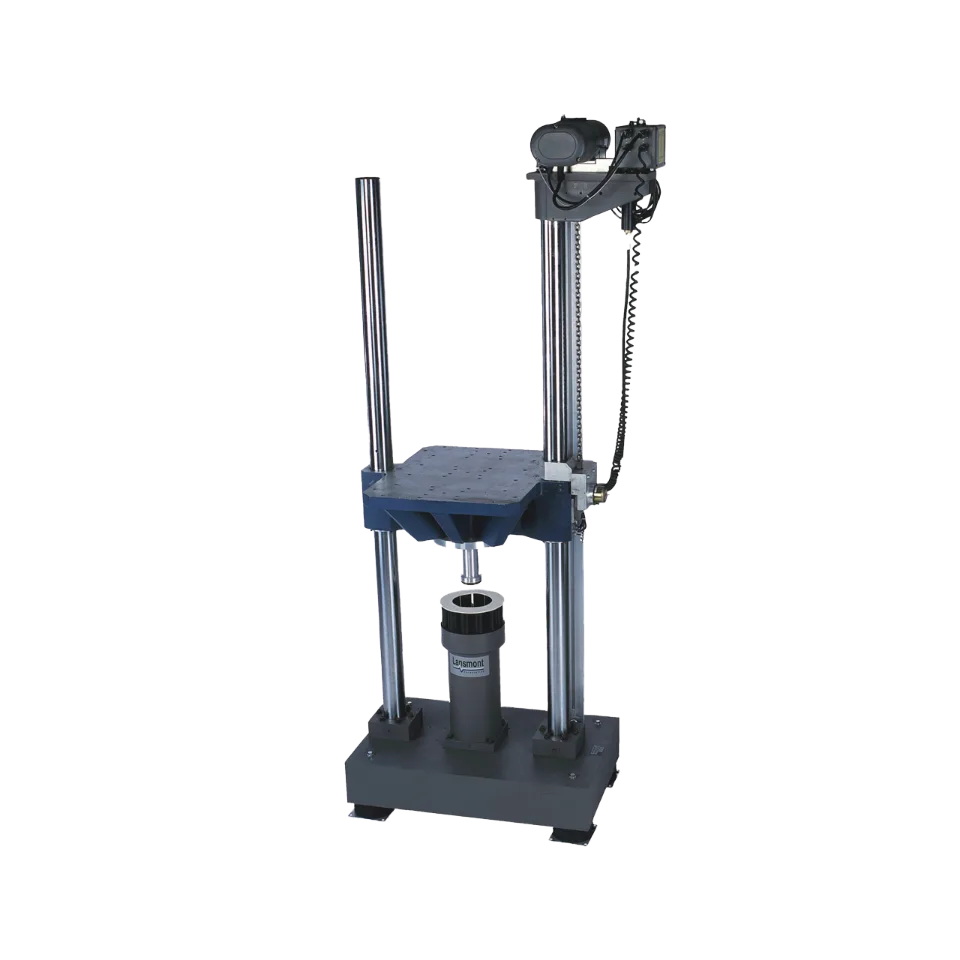
A higher-performance evolution of the Model 65/81, with a 65 x 81 cm table, 680 kg free-fall payload and up to 15.2 m/s in accelerated mode.
Made by Lansmont Corporation. Supplied and supported in China by WTC (West Technology Corporation). · Manufacturer page ↗
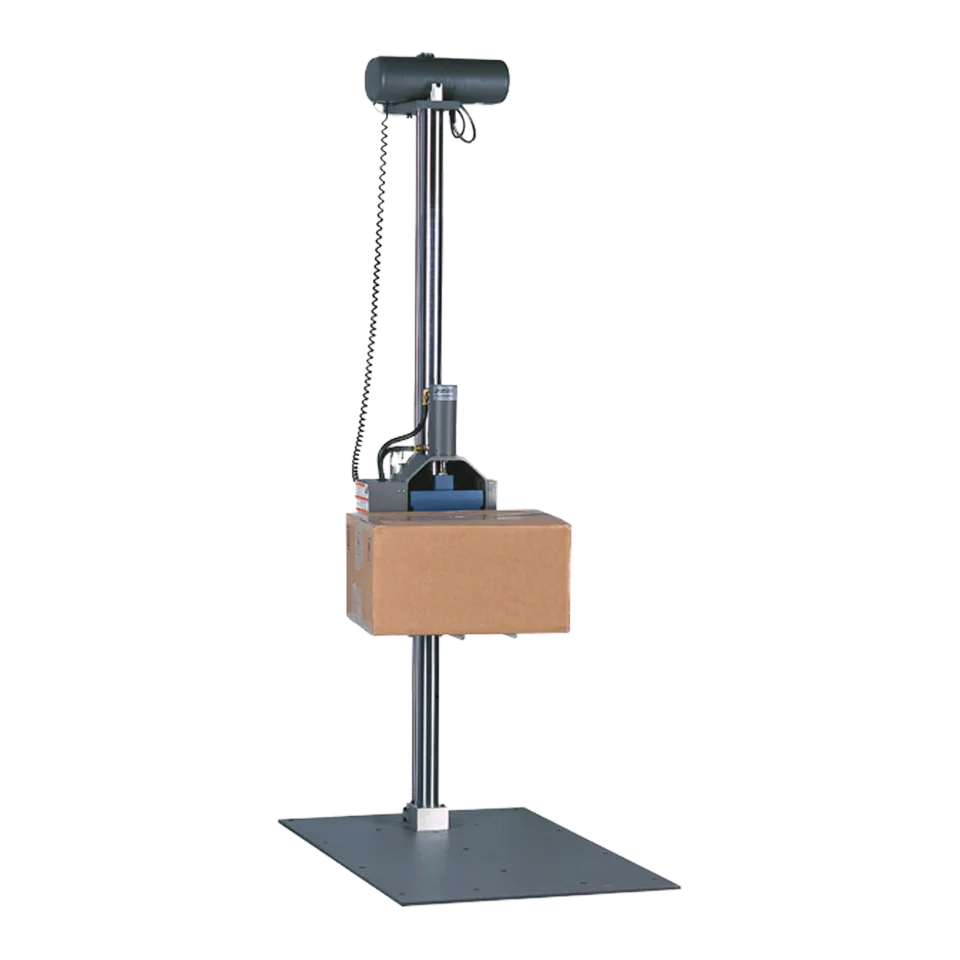
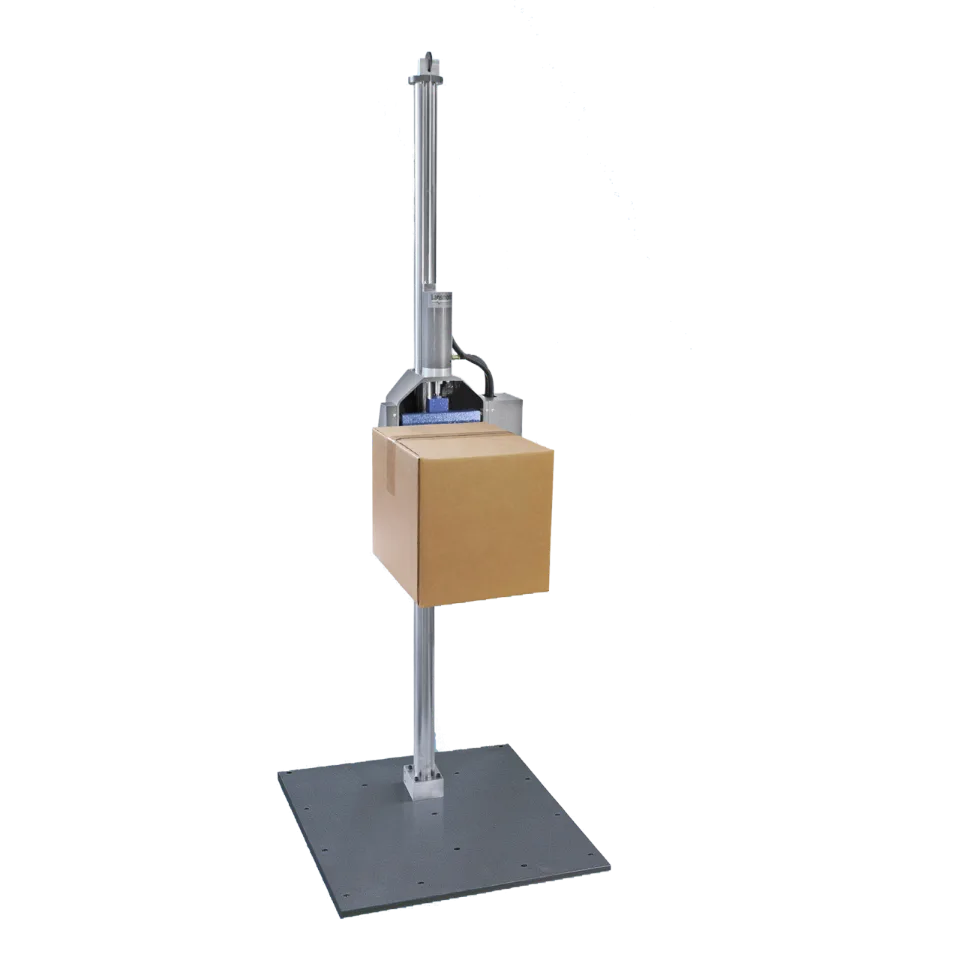
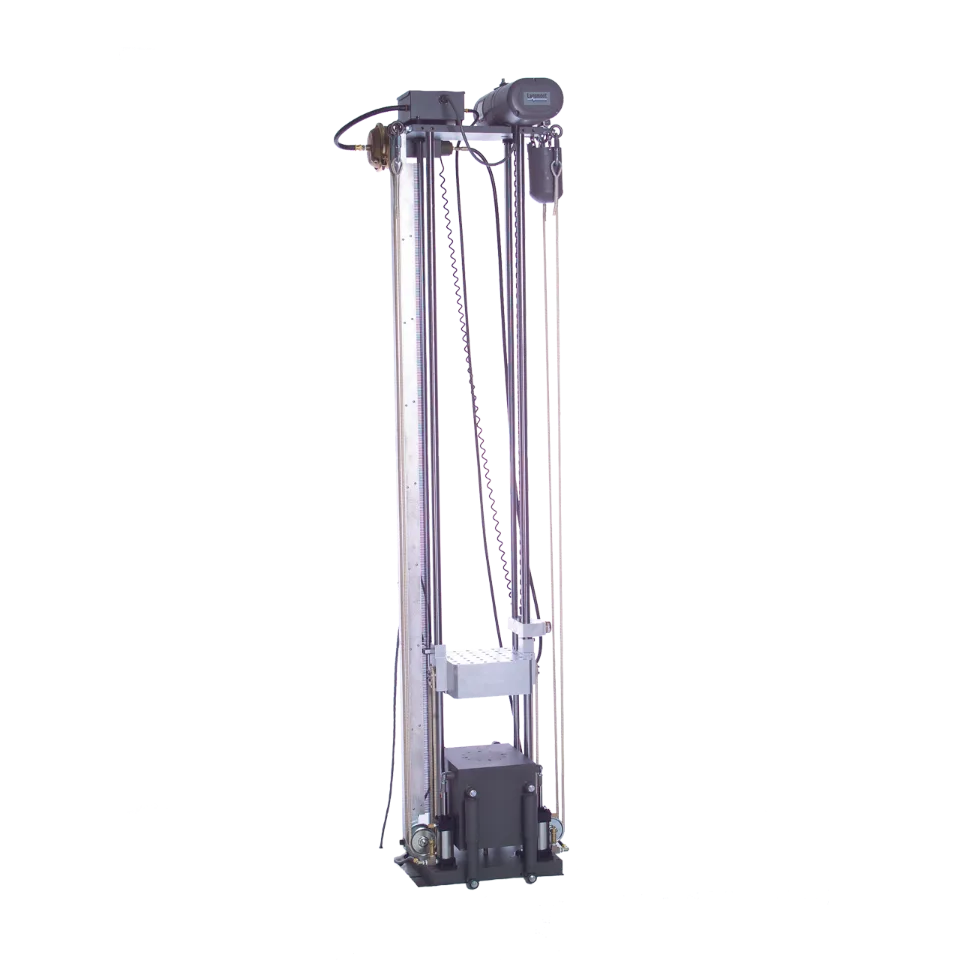
The Lansmont P60/122 is a higher-performance evolution of the popular Model 65/81, aimed at larger articles and greater shock energy. Its table measures 25.6 x 31.9 in (65 x 81 cm), and maximum acceleration reaches 1000 g. It distinguishes two operating modes: in free-fall mode the maximum velocity change is 20-25 ft/sec (6.1-7.6 m/sec) with a 1500 lbs (680 kg) payload, while accelerated mode raises velocity change to 25-50 ft/sec (7.6-15.2 m/sec) with a 500 lbs (227 kg) payload. The two modes let one machine both carry heavy test items at lower velocity and apply higher velocity change to lighter items.
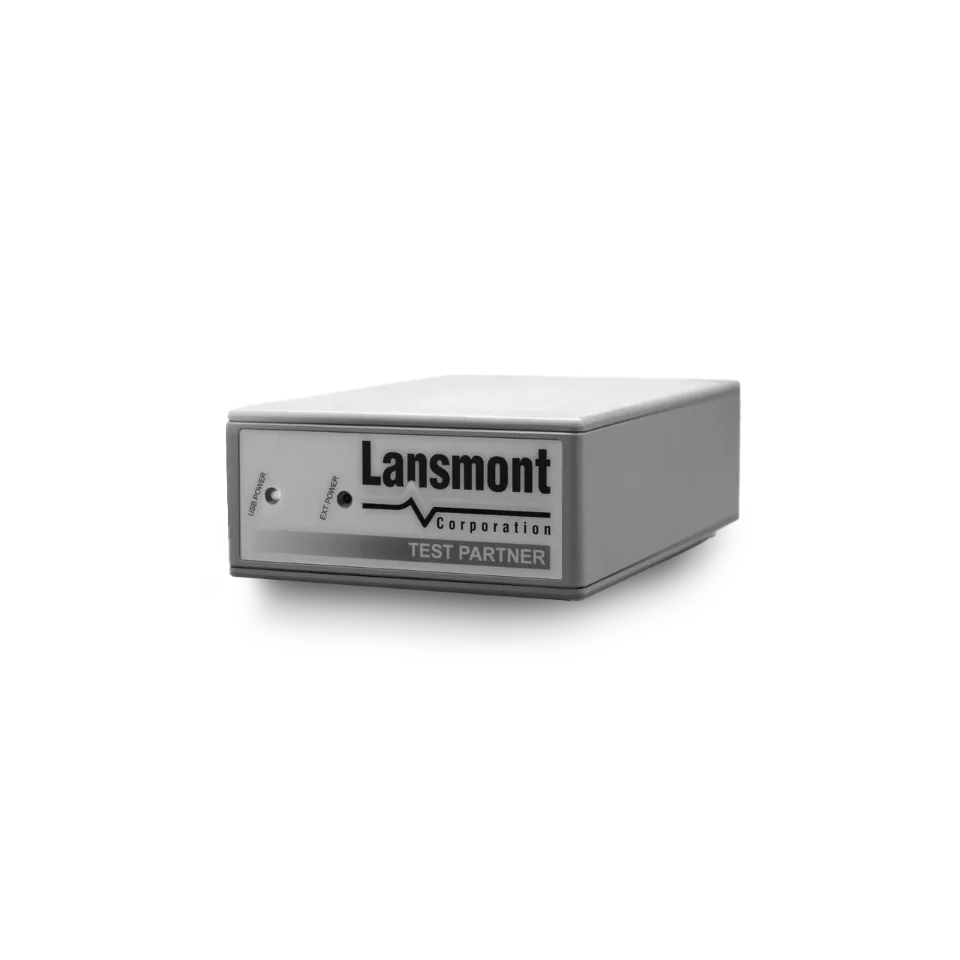
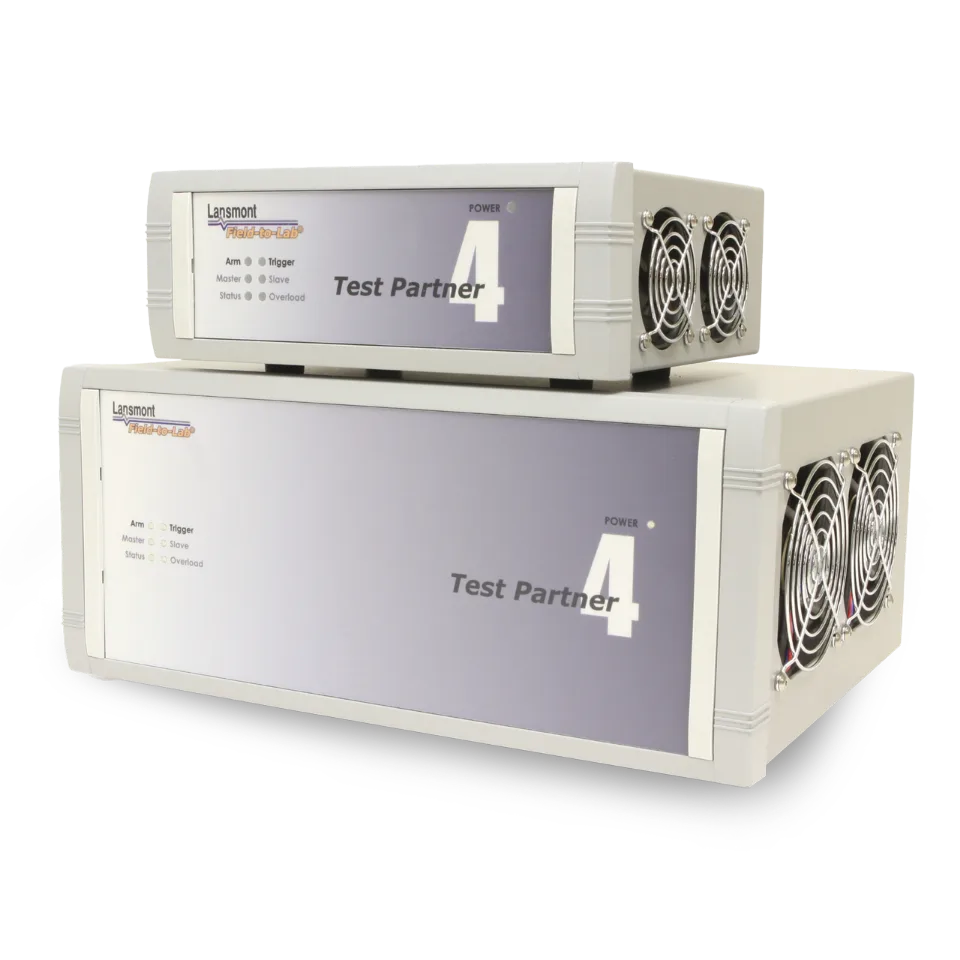
The table uses a high-strength cast aluminum design to produce high-acceleration shock pulses. The system includes the TouchTest Shock (TTS) tabletop control console, which makes shock testing safe and easy and communicates seamlessly with Test Partner Data Acquisition Systems. An Acceleration Kit increases velocity change performance; an electric hoist lifting and positioning system keeps drop height repeatable, and a floating seismic base limits shock energy transmitted to the floor. Optional shock pulse programmers cover half-sine, trapezoidal and terminal peak sawtooth shapes in both long and short durations to match different shock severities.
Within the Lansmont shock range, the P60/122 is the large-table, high-payload standard option: its table exceeds the P55 and its 680 kg free-fall payload clearly surpasses the mid-size machines, suiting palletized packages, large appliances and industrial equipment. Compared with the P55 below it, it handles larger articles in payload and table area; compared with the larger Model 95/115, it offers higher velocity change in accelerated mode. Options include low impulse kits, dual mass shock amplifiers, additional pulse programmers, customized mounting patterns and hold-down fixtures.
| Table size | 65 x 81 cm(25.6 x 31.9 in) |
|---|---|
| Peak acceleration | 1000 g |
| Max velocity change | 20 – 25 ft/sec(6.1 – 7.6 m/sec) |
| Max velocity change | 25 – 50 ft/sec(7.6 – 15.2 m/sec) |
| Max payload | 1500 lbs(680 kg) |
| Max payload | 500 lbs(227 kg) |
| Model | Table size | Peak acceleration | Max velocity change | Max payload |
|---|---|---|---|---|
| P60/122Current | 65 x 81 cm(25.6 x 31.9 in) | 1000 g | 20 – 25 ft/sec(6.1 – 7.6 m/sec) | 1500 lbs(680 kg) |
| P16/30 | 23 x 23 cm(9.06 x 9.06 in) | — | 22 – 55 ft/sec(6.7 – 16.8 m/sec) | 110 lbs(50 kg) |
| P30/45 | 40 x 40 cm(15.7 x 15.7 in) | — | 22 – 55 ft/sec(6.7 – 16.8 m/sec) | 165 lbs(75 kg) |
| P55 | 55 x 55 cm(21.7 x 21.7 in) | — | 22 – 59 ft/sec(6.7 – 18 m/sec) | 300 lbs(136 kg) |
Scroll sideways for all columns
Tell us the test object and the standard you must meet. An engineer replies within one business day.
Up to 2.5 MHz per-channel sampling with 24-bit sigma-delta ADCs, 40 analog or 2…
Send us the test object, the standard and your lab conditions. You get a configuration list within one business day.